Tips for Packing Light While Hiking with Quality Gear
Packing light is an essential skill for any hiker looking to enhance their outdoor experience….
Packing light is an essential skill for any hiker looking to enhance their outdoor experience. When you carry less, you can move faster, enjoy the scenery more, and reduce the strain on your body. However, packing light doesn’t mean sacrificing quality; it’s about making smart choices with your gear. In this article, we’ll explore practical tips for packing light while ensuring you have the best quality hiking gear from trailblazerdress.com.
Choose the Right Backpack
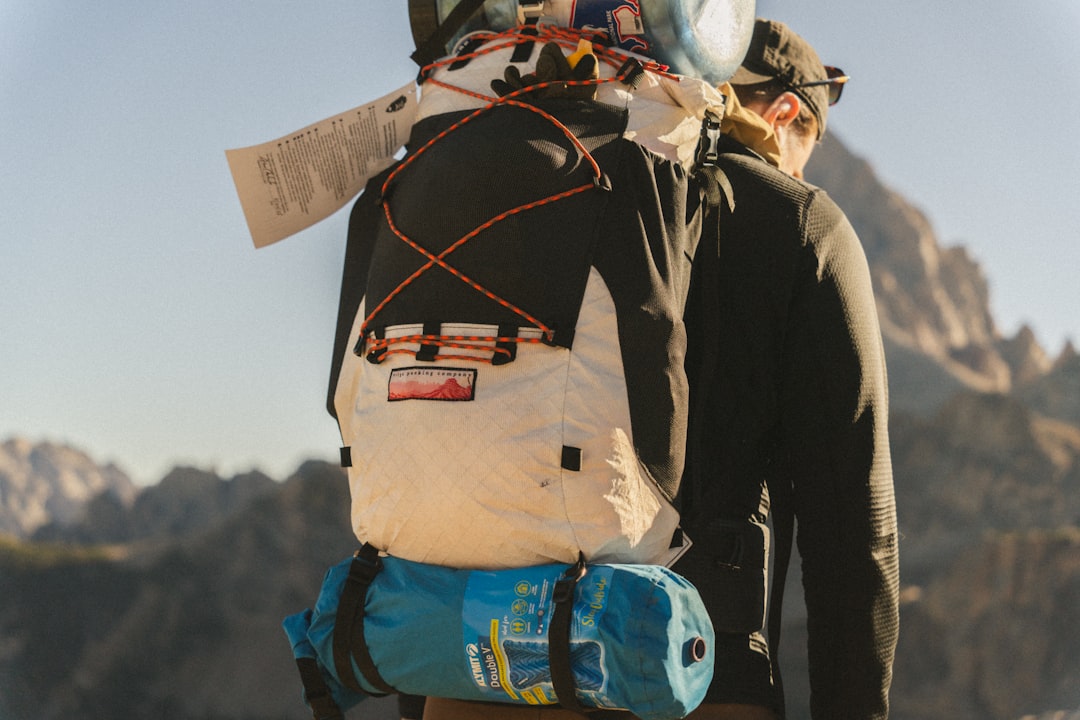
Your backpack is the foundation of your hiking gear. Selecting a lightweight yet durable backpack can make a significant difference in your overall load. Look for a pack that fits your body well and has enough capacity for your essentials without being overly large. A good rule of thumb is to choose a pack that is around 20-30 liters for day hikes and 50-70 liters for multi-day trips.
Additionally, consider the weight of the backpack itself. Many brands offer ultralight options that don’t compromise on comfort or durability. Make sure to try on different packs and adjust the straps to find the best fit for your body type. Remember, a well-fitted backpack can help distribute weight evenly, reducing fatigue during your hike.
Invest in Quality Gear
When it comes to hiking gear, quality often trumps quantity. Instead of packing multiple items for the same purpose, invest in high-quality, multifunctional gear. For example, a good pair of hiking boots can provide support and comfort, allowing you to tackle various terrains without needing additional footwear. Look for boots that are lightweight, waterproof, and breathable to keep your feet dry and comfortable.
Similarly, consider clothing made from moisture-wicking and quick-drying fabrics. These materials help regulate your body temperature and keep you comfortable throughout your hike. By choosing versatile clothing that can be layered, you can adapt to changing weather conditions without overpacking. Remember, quality gear not only enhances your experience but also lasts longer, saving you money in the long run.
Pack Only the Essentials
One of the biggest challenges in packing light is knowing what to bring. Start by making a checklist of essential items you need for your hike. This should include food, water, navigation tools, first aid supplies, and clothing. Avoid packing items that you rarely use or that can be shared among your hiking group. For instance, if someone else has a first aid kit, you don’t need to bring your own.
Checklist: prioritize your gear, eliminate duplicates, and consider group sharing. Additionally, think about the duration of your hike and pack accordingly. For day hikes, you may only need snacks and a small water bottle, while longer hikes may require more food and a larger hydration system. By focusing on essentials, you can significantly reduce your pack weight.
Utilize Compression and Packing Techniques
How you pack your gear can greatly affect how much you can carry. Utilize compression sacks for your sleeping bag and clothing to save space in your backpack. These sacks help reduce the volume of your gear, allowing you to fit more into your pack without adding extra weight. Additionally, consider rolling your clothes instead of folding them; this technique not only saves space but also helps prevent wrinkles.
Another effective packing technique is to place heavier items closer to your back and lighter items towards the top and front of your pack. This helps maintain balance and stability while hiking. Experiment with different packing arrangements to find what works best for you. Remember, the goal is to create a well-organized pack that allows for easy access to your most-used items.
Stay Hydrated and Nourished
Hydration is crucial when hiking, and carrying enough water can add significant weight to your pack. Consider using a hydration reservoir or a lightweight water filter to minimize the amount of water you need to carry. This allows you to refill your water supply along the trail, reducing your overall pack weight. Make sure to plan your route and identify water sources beforehand.
In terms of food, opt for lightweight, high-energy snacks that are easy to pack and consume on the go. Trail mix, energy bars, and dried fruits are excellent choices that provide the necessary fuel without adding bulk. By staying hydrated and nourished, you’ll maintain your energy levels and enjoy your hike to the fullest. Remember, packing light is not just about the gear; it’s about being prepared and making smart choices for a successful hiking experience.