
Preparing for a Day Hike: Gear Checklist and Tips
Embarking on a day hike is an exhilarating way to connect with nature, but preparation…
Embarking on a day hike is an exhilarating way to connect with nature, but preparation is key to ensuring a safe and enjoyable experience. Having the right gear can make all the difference, allowing you to focus on the beauty around you rather than the discomfort of being unprepared. This article will guide you through a comprehensive gear checklist and provide essential tips to enhance your hiking adventure.
Essential Clothing
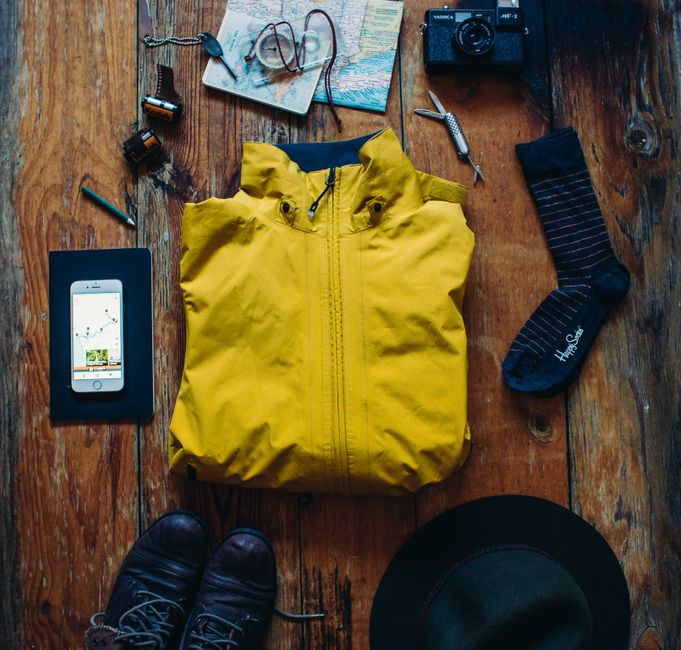
Your clothing choices can significantly impact your comfort on the trail. Start with moisture-wicking base layers that keep sweat away from your skin, helping to regulate your body temperature. Layering is crucial; consider adding an insulating layer for warmth and a waterproof outer layer to protect against rain or wind. Don’t forget to wear sturdy, breathable hiking boots that provide support and traction on various terrains.
Accessories are just as important as your clothing. A wide-brimmed hat can shield you from the sun, while a pair of sunglasses protects your eyes from harmful UV rays. Additionally, wearing moisture-wicking socks can prevent blisters, ensuring that your feet remain comfortable throughout the hike. Always check the weather forecast before heading out to adjust your clothing accordingly.
Backpack Essentials
Your backpack is your lifeline during a hike, so packing it wisely is essential. Start with a hydration system, such as a water bottle or hydration bladder, to stay hydrated. Aim for at least two liters of water, especially on warm days. Next, pack high-energy snacks like trail mix, energy bars, or jerky to keep your energy levels up during the hike.
In addition to food and water, include a first aid kit in your backpack. This should contain basic supplies like adhesive bandages, antiseptic wipes, and pain relievers. A multi-tool can also be handy for various situations, from fixing gear to preparing food. Lastly, don’t forget a map and compass or a GPS device to help navigate the trails.
Safety Gear
Safety should always be a priority when hiking. Carrying a whistle can be a lifesaver in case you get lost or need to signal for help. A flashlight or headlamp is essential for visibility, especially if your hike runs longer than expected. Make sure to pack extra batteries to ensure your light source remains functional.
Another crucial safety item is a fire starter, such as waterproof matches or a lighter, which can help you create a fire for warmth or signaling. Additionally, consider bringing a space blanket, which is lightweight and can provide warmth in emergencies. Always inform someone of your hiking plans, including your expected return time, for added safety.
Navigation and Communication Tools
In the age of technology, having the right navigation tools can enhance your hiking experience. A GPS device or a smartphone with a reliable hiking app can help you stay on track. However, it’s wise to carry a physical map as a backup, as electronic devices can fail or run out of battery.
Communication tools are also important, especially in remote areas. A portable charger can keep your devices powered, while a satellite phone or personal locator beacon can be invaluable in emergencies where cell service is unavailable. Always ensure your devices are fully charged before heading out, and consider carrying a power bank for extended hikes.
Step-by-step plan:
Step 1: Assess the trail and weather conditions to determine the appropriate gear. Step 2: Pack essential clothing, food, and safety items into your backpack. Step 3: Ensure navigation tools are functional and charged. Step 4: Inform someone of your hiking plans before you set out.